

How Simple Stories Can Teach Big Life Lessons
Have you ever noticed how a simple bedtime story can stop your child in their tracks? One moment, they’re bouncing off the walls, and the next, they’re quiet, wide-eyed, and listening. Stories have a special kind of magic. And the truth is, simple stories can teach big life lessons in ways lectures and long talks can’t.
Stories are more than just entertainment. They’re how kids make sense of the world. They help children explore emotions, understand consequences, and practice empathy, all without leaving the safety of their imagination.
More Than Just Make-Believe
When your child listens to a character who shares, apologizes, or helps a friend, they’re not just following a plot. They’re watching how to handle real-life situations through pretend ones.
Simple stories help kids relate. They put feelings into words. They turn abstract ideas like kindness, honesty, and bravery into real choices made by characters they care about. And slowly, those choices start to shape your child’s own.
Small Stories, Big Feelings
A short tale about a lost toy can help a child express what it feels like to lose something they love. A silly character who messes up and tries again can teach persistence better than any lecture. That’s the beauty of simple stories, they make big emotions easier to carry.
Even a basic story about a school day or a visit to grandma’s can plant seeds of emotional awareness. Kids begin to recognize their feelings, name them, and understand that they’re not alone in them.
“Bad” Behavior Isn’t Always What It Seems
When kids act out, interrupt, or cling, it’s not usually about misbehaving, it’s often about miscommunicating. They may not know how to say, “I’m overwhelmed,” or “I missed you today.” So, they whine. They push. They act out.
But underneath the noise is a simple need: see me, hear me, love me.
Repetition Builds Understanding
If you’ve ever read the same book five nights in a row, you might wonder why your child doesn’t get tired of it. The reason is simple: repetition brings comfort, and clarity.
Each time a story is told, a child picks up something new. Maybe today it’s the funny voice you used. Tomorrow, it might be the look on the character’s face when they say “I’m sorry.” These details matter. They build a quiet foundation of values and understanding over time.
You Don’t Need Fancy Words
You don’t have to be a master storyteller. You don’t even need a perfect book. Just sitting down with a simple story shows your child they’re worth your time, and their thoughts are worth exploring.
Ask questions while reading: “What do you think she’s feeling?” or “What would you do?” These questions open up space for emotional growth without pressure. It’s learning disguised as fun.
A Story That Starts the Conversation
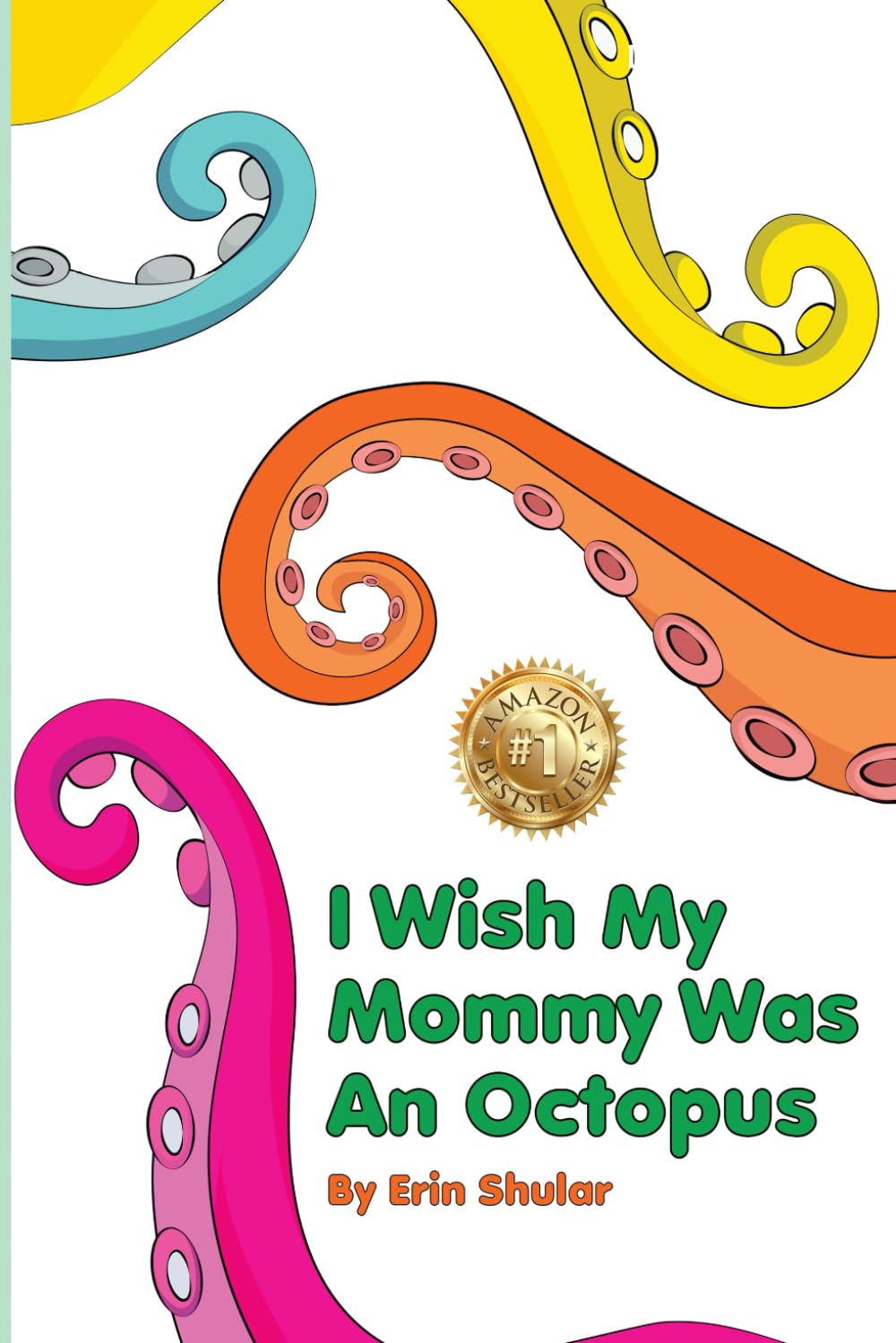
In Erin Shular’s beautifully illustrated children’s book, I Wish My Mommy Was an Octopus, one child dreams of a mom who can do everything at once, cook, clean, and still have arms left to cuddle. But the story gently reminds us that being present matters more than being perfect. It’s a heartfelt example of how simple stories can teach big life lessons in love, attention, and understanding.
Final Thoughts: The Story Is Just the Start
Whether you’re a parent, teacher, or just someone who loves to read with children, remember this: you don’t need a complicated lesson plan to teach a child values. Sometimes, all it takes is a lap, a story, and a few quiet minutes.
So tonight, choose a simple story. Read it slowly. Let it open the door to big feelings, deep thoughts, and real connection.
Order your copy of “I Wish My Mommy Was an Octopus” by Erin Shular today, and share a story that reminds every child (and grown-up) that love is in the little things.