

Why Imaginative Characters Make Children Feel Understood
Have you ever watched a child talk to an imaginary friend, or dress up as a superhero for days on end? There’s a reason they keep coming back to those make-believe moments. Imaginative characters do something incredibly powerful for children: they help them feel seen, understood, and safe.
Whimsical, exaggerated, or downright magical, these characters aren’t just for laughs, they’re mirrors. They reflect a child’s feelings, fears, hopes, and questions in a way that’s easy to accept and explore.
Imagination Is a Safe Space
Children often can’t explain what they’re feeling the way adults can. Big emotions, like fear, confusion, sadness, or even excitement, can be overwhelming. But through imaginative characters, those emotions suddenly make sense.
A dragon that’s afraid of the dark. A brave little mouse who misses her mom. A clumsy wizard who keeps messing things up. These characters let kids say, “That’s me,” without needing to explain anything out loud. They turn the abstract into the understandable.
In this space, imagination becomes a language, one that speaks directly to a child’s heart.
Feeling Seen in the Silly
You might think the silly characters are just comic relief. But for kids, even the goofiest creatures can hold deep emotional value.
That alien who doesn’t fit in at school? That might be how a child feels when they start a new grade. The talking dog who gets nervous on stage? It’s a way to talk about performance anxiety without saying “I’m scared.”
Imaginative characters validate real experiences in a playful way. They allow kids to laugh, relate, and process, all at once.
Building Trust Through Story
When kids see characters go through challenges and come out okay, it reassures them that their own struggles can be okay too. It builds emotional resilience and gives them tools to face fears with a little more confidence.
Imaginative stories also help adults and children connect. Reading or watching these characters together creates safe openings for conversations that might be tough to start otherwise.
Characters That Grow With Them
The best imaginative characters don’t just entertain, they evolve. They learn, they stumble, they try again. And that shows kids something really important: growth is possible. Mistakes are part of the journey. You don’t have to be perfect to be loved or to be a hero.
Whether it’s a misunderstood monster or a shy unicorn learning to shine, these characters model self-acceptance, empathy, and courage.
A Story That Wraps You in Understanding
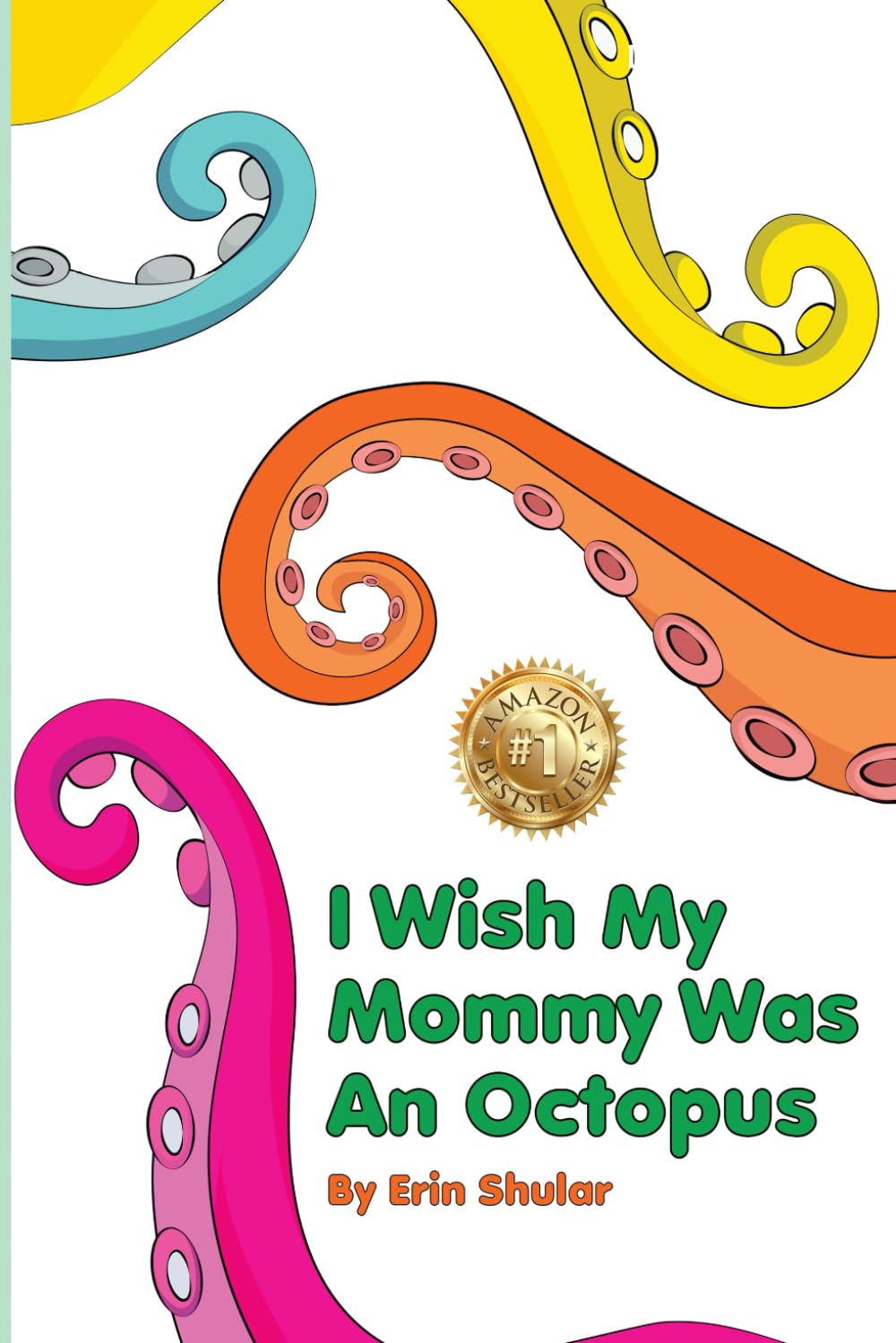
In Erin Shular’s touching children’s book, I Wish My Mommy Was an Octopus, the main character dreams of a mom who can do it all, play, clean, cook, and still have time to cuddle. It’s a playful, imaginative scenario that captures a real longing: the desire to feel fully cared for.
This whimsical concept offers comfort, not just in the fantasy, but in the quiet realization that love doesn’t require eight arms, just presence, patience, and a listening heart. It’s exactly the kind of story that shows children they’re not alone in what they feel.
Final Thoughts: The Power of Playful Reflection
Imaginative characters don’t solve all problems, but they create room for children to explore theirs. They offer softness in a world that sometimes feels too loud. And they show that no feeling is too weird, too big, or too small to matter.
So, whether you’re reading to your child, writing for children, or just remembering your own childhood favorites, know this: those make-believe friends matter. They help real kids feel really understood.
Order your copy of “I Wish My Mommy Was an Octopus” by Erin Shular today, and share a story that brings imagination, comfort, and connection home.