
Why Your Child’s Wildest Wish Might Be a Cry for Connection
Have you ever heard your child say something like, “I wish I had a robot who did my homework,” or “I wish you could be with me all day long”? At first, it sounds silly. Funny even. But beneath that wish might be something deeper. A cry for connection.
Children often express emotional needs through big, imaginative statements. They’re not always equipped to say, “I feel lonely,” or “I need more time with you.” Instead, they dream up magical solutions, wishes that fix everything in one fantastical swoop.
But those wild wishes? They’re trying to tell you something.
Imagination as a Language
Kids speak through stories, play, and pretend. A child who wishes for a mom with ten arms might really be saying, “I wish you had more time for me.” A child who wishes for an invisibility cloak might be feeling overlooked or overwhelmed.
These ideas aren’t nonsense. They’re emotional cues.
By tuning in to the message underneath the magic, you can begin to understand what your child is really trying to say. Because every big wish has a little heart behind it, hoping to be heard.
What They Wish vs. What They Need
Let’s break it down. When a child says:
- “I wish I lived on the moon.”
They might be craving escape or space from overstimulation. - “I wish you were a superhero.”
They might be feeling scared and in need of safety. - “I wish school didn’t exist.”
They might be struggling with pressure or anxiety.
Instead of correcting the logic of the wish, try responding with curiosity: “That’s an interesting wish, what would that be like?” This opens a door to talk about feelings they may not even realize they have.
Connecting in the Chaos
You don’t need to grant the wild wish. You just need to hear it.
When you validate the emotion behind the idea, you’re telling your child, “I see you. I’m listening. You matter.” And that’s the kind of connection that lasts far beyond the moment.
Children don’t want perfect parents, they want present ones. Showing up, even for five minutes of undivided attention, can fulfill the very need that wild wish was trying to express.
When a Book Says It Best
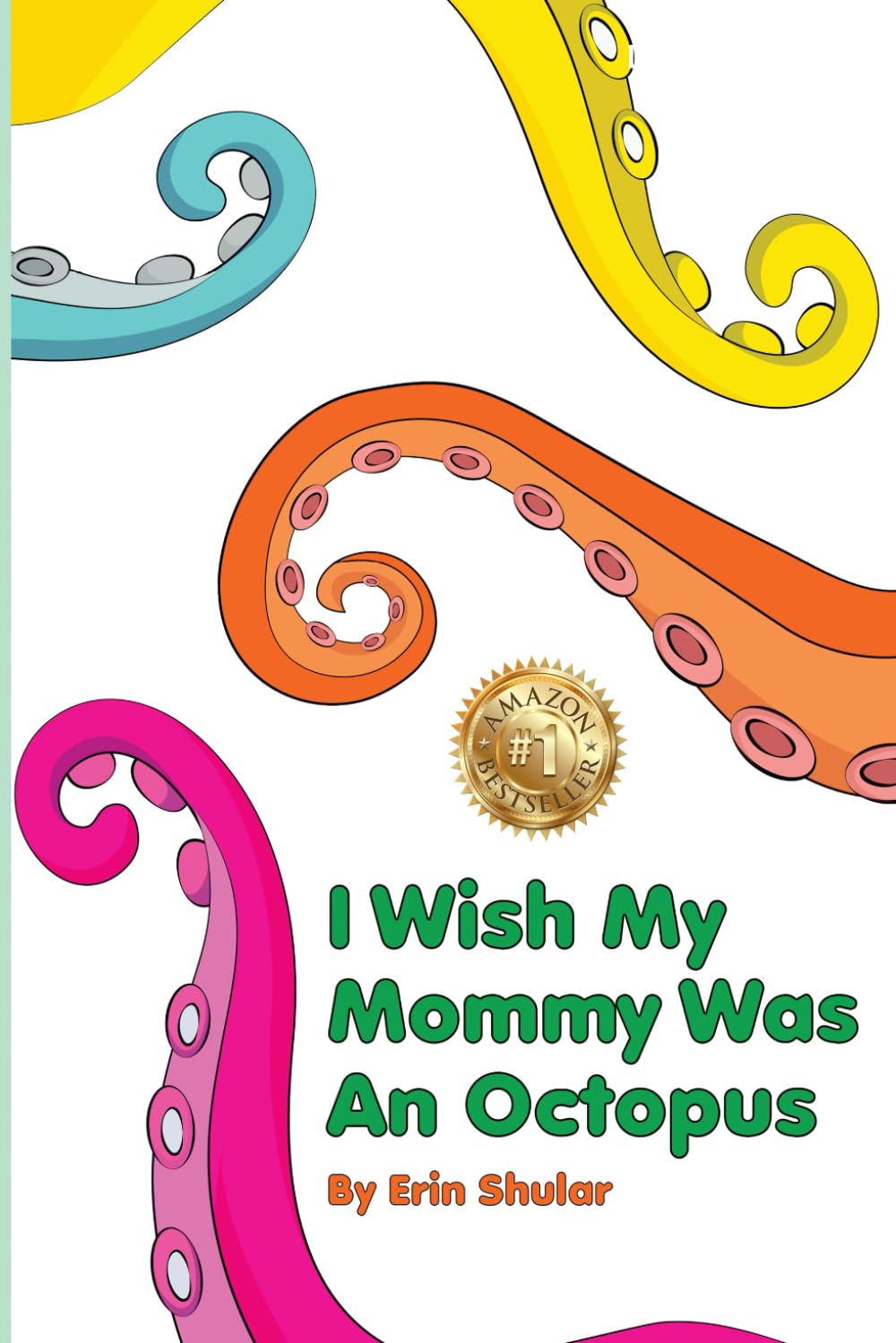
In Erin Shular’s heartwarming book, I Wish My Mommy Was an Octopus, a child imagines a mom with eight arms, one who can cook, clean, work, and still snuggle all at the same time. At first glance, it’s a funny, imaginative wish. But at its core? It’s a cry for connection.
By the end, the story reminds both children and grown-ups that what matters most isn’t doing it all, it’s simply being there. It’s the kind of story that doesn’t just entertain; it helps children feel seen, heard, and emotionally safe.
Final Thoughts: Listening Between the Lines
Not every wish is a request for a toy or a treat. Sometimes, it’s something much more important, a quiet way of asking for connection, comfort, or closeness.
So, the next time your child says something wild, pause. Don’t brush it off. Don’t correct it. Ask yourself: What is my child really saying?
Because when you respond to the heart behind the wish, you’re not just parenting, you’re connecting. And that connection? It’s exactly what they were wishing for all along.
Order your copy of “I Wish My Mommy Was an Octopus” by Erin Shular today, and give your child the comfort of being understood.