

What a Child’s Imagination Says About Their Emotional Needs
When a child turns a stick into a sword or a chair into a spaceship, they’re not just playing, they’re processing. A child’s imagination is one of the clearest windows into their emotional world. It’s where their fears, hopes, questions, and feelings take shape in ways they may not yet be able to express with words.
As a parent, teacher, or caregiver, noticing the themes in a child’s play can help you understand what they need most, from comfort and reassurance to attention or autonomy.
Imagination Is More Than Entertainment
Playtime might seem like fun and games, but to a child, it’s serious emotional work. When kids pretend, they are often trying to:
- Work through something confusing or scary
- Feel powerful in a world where they’re small
- Practice real-life situations in a safe way
- Connect with others through shared stories
If a child is pretending to be a superhero, maybe they’re trying to feel brave. If they’re playing “lost and found,” perhaps they’re exploring feelings of separation or anxiety. The child’s imagination becomes a space where they can safely explore the things that feel too big to handle head-on.
Your Role: Observe and Engage
You don’t have to analyze every moment, but being present and engaged during imaginative play can help you learn so much.
Instead of asking, “Why are you playing that?” try:
- “Tell me what happens next in your story.”
- “What does your character need?”
- “How does the dragon feel right now?”
These kinds of questions give kids permission to express deeper feelings in a language that’s natural to them: play.
Listen Between the Lines
The next time you hear your child playing out an epic quest, a tea party, or a battle between good and evil, pause and listen. Their stories are more than just fun. They’re clues.
By paying attention to a child’s imagination, you’re not just encouraging creativity. You’re opening a window into what their hearts are trying to say.
Let the play continue. Listen closely. The feelings are in the story.
Conclusion: A Wish from the Heart
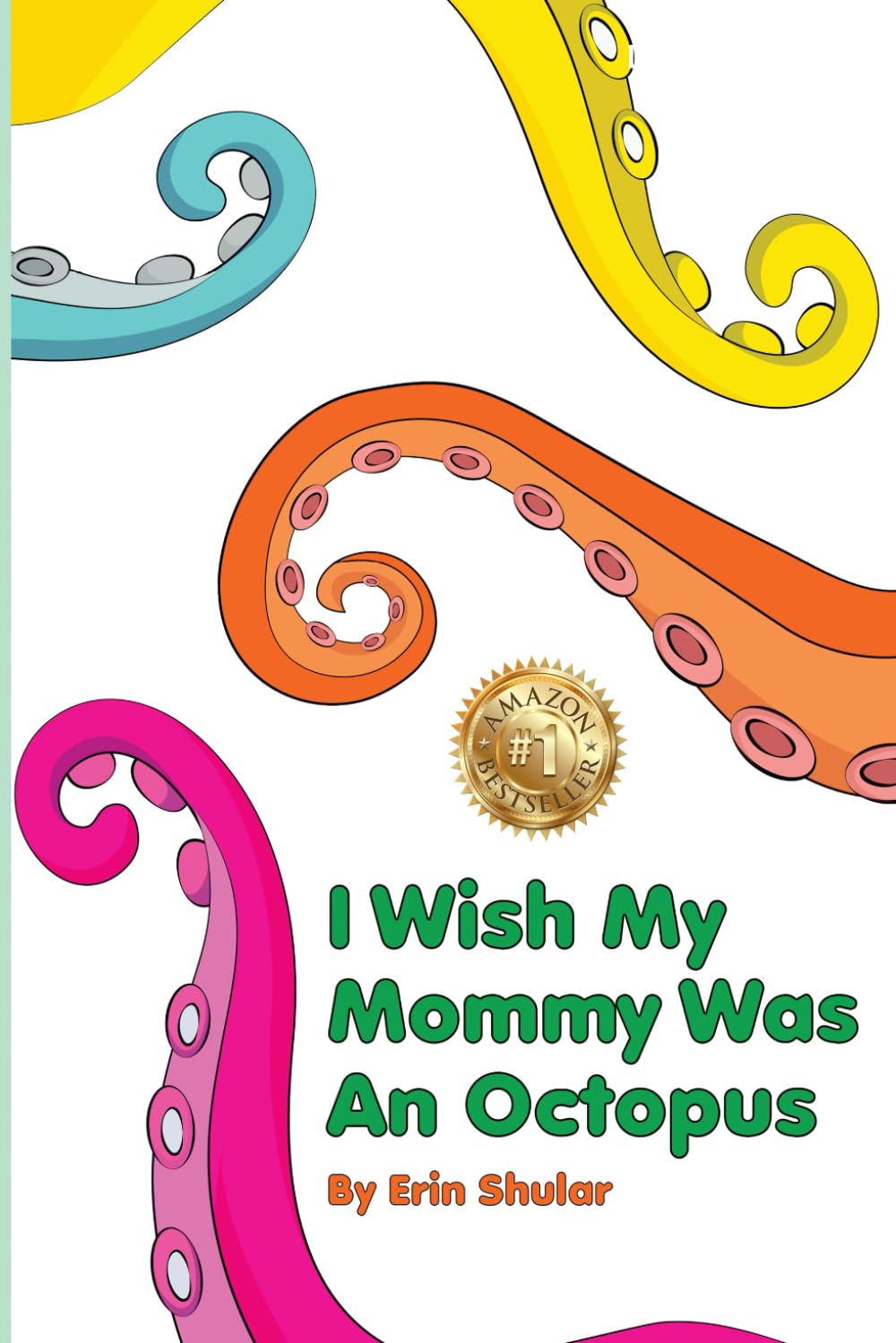
In I Wish My Mommy Was an Octopus by Erin Shular, a child uses imagination to voice a need: wanting more of their mother’s time and affection. Through playful thinking, wishing their mom had more arms, they reveal a longing for attention and comfort. This sweet, relatable story reminds us that sometimes the wildest ideas come from the deepest feelings.
Order your copy of “I Wish My Mommy Was an Octopus” and discover how imagination becomes a doorway to emotional understanding.