

Writing for Children: The Beauty of Seeing the World Through Their Eyes
Have you ever tried to explain the world to a child and realized, they might already understand it better than we do? Their questions are raw. Their insights are honest. Their joy is unfiltered. And that’s exactly what makes writing for children such a powerful, beautiful thing.
When we write from a child’s point of view, we aren’t just simplifying language. We’re stepping into a space filled with wonder, curiosity, and emotional truth. A space where small things feel big, and big things become easier to understand.
Seeing the World Like They Do
Children view the world with fresh eyes. A puddle becomes a portal. A whispered secret feels sacred. When writers capture that sense of discovery, they’re not just telling stories, they’re preserving childhood itself.
Kids don’t need perfect heroes or fancy words. They need characters who feel real. Who worry about bedtime monsters or making friends. Who get silly, make mistakes, and try again. Writing through this lens reminds us that emotional depth isn’t reserved for grown-ups.
Honesty, Without the Heavy
One of the most remarkable things about writing for children is how it allows for emotional honesty without becoming overwhelming. Grief, fear, loneliness, they all live in children’s lives, too. But when handled gently, those feelings can be explored in stories that comfort rather than confuse.
Children’s books often say the hardest things in the simplest ways. A bear missing his friend. A bunny afraid of the dark. These stories give kids tools to name their feelings and know they’re not alone.
Wonder Is a Bridge to Healing
In a world that sometimes feels too fast or too heavy, writing for children brings us back to what matters: imagination, hope, connection. A single story can turn fear into courage or loneliness into laughter.
That’s the beauty of it. When we write for kids, we invite them, and ourselves, into a space where healing happens quietly, in between the pages.
Writing That Builds Belonging
Children are constantly learning who they are and where they fit. Representation matters. Inclusion matters. When kids see themselves reflected in stories, not just in appearance, but in emotions, challenges, and dreams, they feel seen. And feeling seen is the first step to feeling worthy.
Whether it’s a quiet introvert, a bold adventurer, or a kid who just wants a little attention, there’s room for every voice in children’s literature. And as writers, we have the privilege (and responsibility) of engaging children through effective storytelling and creating that safe space.
A Book That Understands Big Feelings
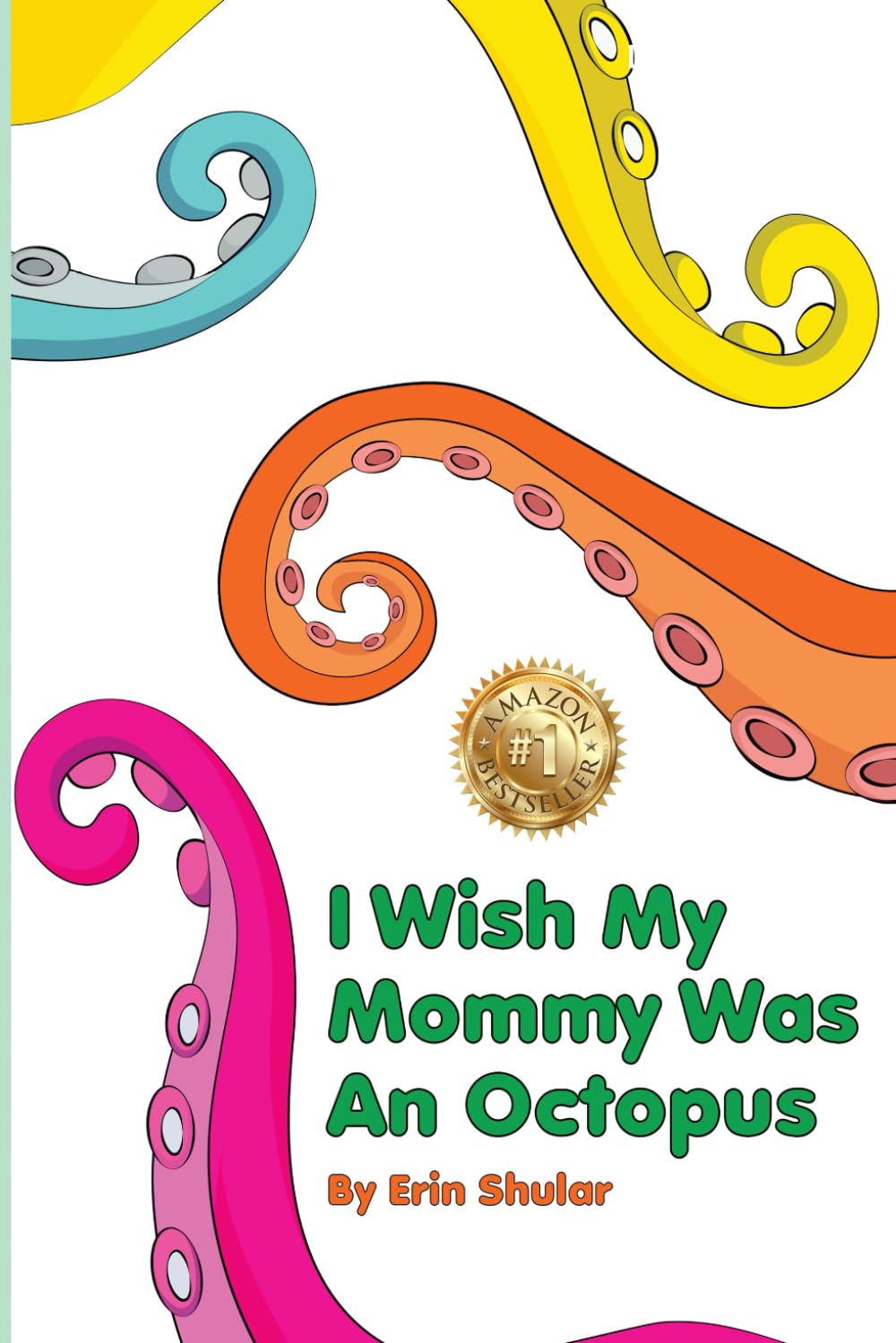
In Erin Shular’s tender and imaginative children’s book, I Wish My Mommy Was an Octopus, one child imagines what it would be like if their mom could do everything at once. From cooking to playing to snuggling, an octopus mom sounds perfect! But in the end, the story reveals something deeper: presence matters more than perfection.
It’s a beautiful example of how writing for children can speak to their needs, and ours, with heart, humor, and honesty.
Final Thoughts: Writing That Listens
Writing for children is more than just crafting rhymes or cute characters. It’s an act of listening. Of remembering what it felt like to be small, confused, curious, or joyful, and translating those feelings into stories that stick.
So whether you’re a writer, parent, or teacher, keep this in mind: children don’t need us to speak down to them. They need us to see the world with them. That’s where true connection begins.
Order your copy of “I Wish My Mommy Was an Octopus” by Erin Shular today, and share a story that shows kids they’re seen, heard, and loved.